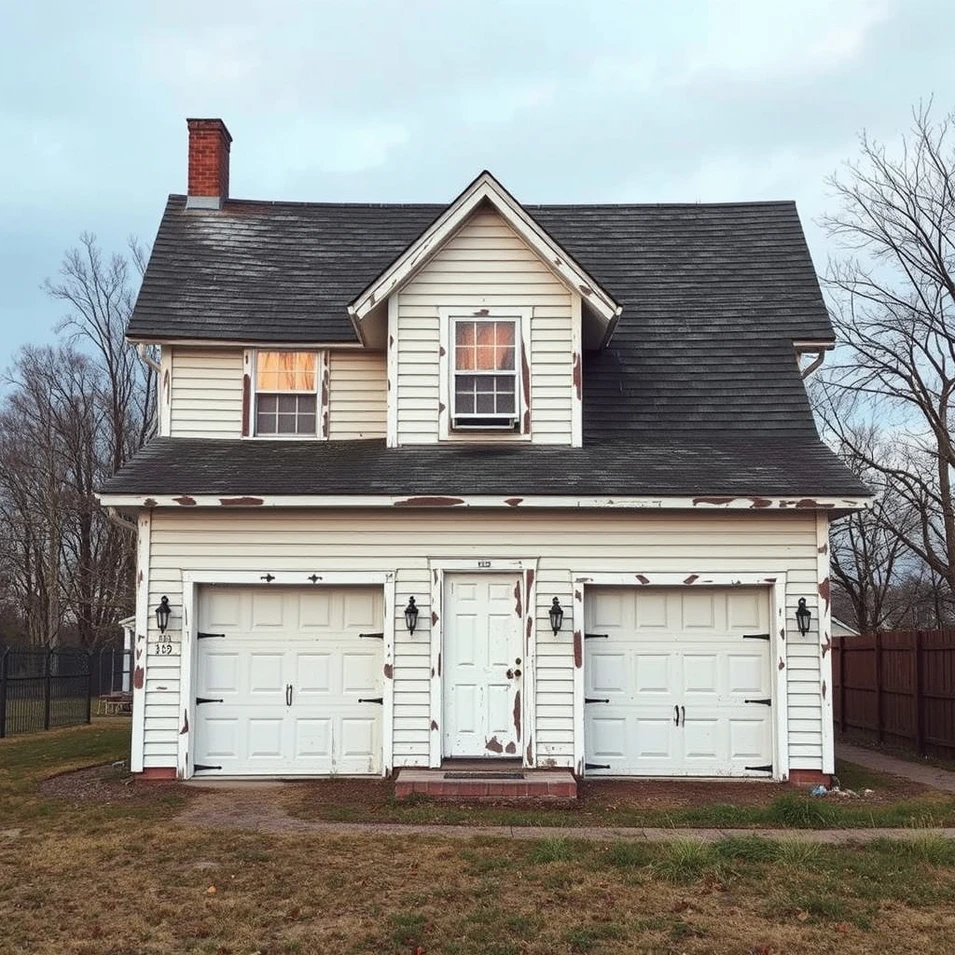
Every buyer has watched a renovation show and thought, "we could do that." Sometimes they are right, and a tired house with a low price tag turns into the best money they ever spent. Other times the same house quietly drains a budget and a year of weekends. The difference is rarely luck. It comes down to whether the numbers were honest before the offer went in, and whether the buyer understood what an older West Michigan home was hiding behind that fresh coat of listing-photo paint. Here is how a fixer-upper really works here, and how to tell a true opportunity from a money pit.
Why the price is low, and what that gap is really for
A fixer-upper sells below comparable move-in-ready homes for a reason, and the size of that discount is the whole game. The gap between what you pay and what the home is worth fully renovated is your potential profit, but it is not free money. It is the budget for the work, plus a cushion for everything you cannot see yet, plus enough left over to make it worth it. Buyers lose when they treat that discount as savings instead of a construction budget.
The honest way to size this up is with two comparisons your agent can pull for you: the as-is value, what the home is worth today, and the after-repair value, what it should appraise for once the work is done and the finishes match the neighborhood. The spread between those numbers, minus your renovation cost and a healthy contingency, is what tells you whether the deal makes sense, not the sticker price.
Where a fixer-upper genuinely pays off
A lower entry point. Buying below market can put a desirable neighborhood within reach when the move-in-ready listings on the same street are out of budget, often an established community with mature trees and good schools rather than the edge of town.
Control and instant equity. You choose the layout, the finishes, and where the money goes, rather than paying a premium for someone else's renovation taste. Done well, that control is where instant equity comes from, because targeted improvements in the right neighborhood can lift value by more than they cost.
Renovation financing actually exists. This is the piece most buyers do not know about. An FHA 203(k) loan and Fannie Mae's HomeStyle Renovation loan both let you roll the purchase price and the renovation budget into a single mortgage, so you are not draining savings to fix the house. Not every lender offers these, and they have their own rules on rates, limits, and what work qualifies, so they are a conversation for a lender who does them regularly. The point is that a house you "cannot afford to fix" is sometimes very affordable through the right loan.
Sweat equity, if you have the skills. If you can safely do part of the work yourself, and do it to code, your labor turns directly into value. A handy buyer who handles demolition, painting, and finish work can stretch a budget a long way, as long as they know where their skills stop.
Where the dream derails
Renovation costs climb faster than people plan for. Labor availability and material prices move, and older homes reveal one more problem behind every wall you open. Pad whatever budget you build by a meaningful margin, often around twenty percent, because the surprises are not a possibility, they are a near certainty. The buyers who stay calm funded that surprise in advance.
Older housing stock and weather work against you. Much of West Michigan's housing was built decades ago, and our freeze-thaw cycles, humidity, and lake-effect winters are hard on it. Foundation movement, roof wear, moisture in basements and crawl spaces, aging electrical and plumbing, and the occasional knob-and-tube or galvanized pipe are all common in older homes. These are the issues that turn a cosmetic project into a structural one, and why the inspection matters more here than the brochure ever will.
Permits, paperwork, and patience. Each city, township, and county runs its own permit and inspection process at its own pace, so your timeline depends partly on where the house sits. The renovation loans themselves also bring more paperwork, stricter appraisals, and extra inspections than a standard purchase. It is manageable, but it rewards patience and a lender who has run the program before.
The emotional cost is real. Living in a construction zone sounds like an adventure for about the first month. By the third month of dust, takeout dinners, and a bathroom that still is not finished, it tests people. If you will be living in the home while you renovate, build that strain into your decision the same way you build in the budget cushion.
How to tell a good bones house from a money pit
The single most important move is a full, independent home inspection, even when the listing says the home is sold as-is. As-is describes who pays for repairs, not whether you are allowed to know about them. You always have the right to inspect, and on an older home you want a thorough look at the foundation, roof, electrical, plumbing, and any sign of moisture. From there, fear structure and forgive cosmetics. Dated kitchens, ugly carpet, and bad paint are cheap, visible, and scare off other buyers in your favor. Foundation cracks, a failing roof, chronic moisture, and outdated systems are expensive and easy to underestimate. A house that looks terrible but is sound often beats one that shows well and hides a real problem.
Know your own limits honestly. Painting and flooring are reasonable do-it-yourself territory, but plumbing, electrical, and anything structural usually are not, because the work has to meet code and a mistake there is costly to undo. Budget for the trades you will need. And watch the neighborhood ceiling: surrounding values cap what your home can appraise for, so the goal is to bring a below-market home up to its street, not above it.
The bottom line
A fixer-upper can absolutely be a path to real equity, but only when the math, the timing, and your patience line up before you commit, not after. The line between a great opportunity and a money pit comes down to preparation: an honest budget with a cushion, a real inspection, the right renovation loan, and comps that tell the truth about value. If you are weighing a renovation property in West Michigan, I am glad to run the as-is and after-repair numbers with you, flag which projects add value against the ones that only add cost, and point you to a lender who does 203(k) and HomeStyle loans. On these deals, a REALTOR® who knows renovation lending and our older housing stock earns their keep. Good bones are a fine place to start, just not a substitute for doing the math first.