West Michigan real estate done right.
Buying, selling, investing, or land across West Michigan, from the lakeshore to Grand Rapids. Ask a question and get a straight answer, with the numbers that apply to you.

Across the 15 counties Legacy covers, September closings, counted October 6, 2026. County by county
 Open the full search
Search West Michigan Properties
Looking for something specific? Tell Dave what you need
Featured Properties
Numbers worth knowing
The figures that come up in almost every purchase and sale in Michigan. Your lender and title company give you the exact ones for your loan and your house.
- 3%
Down payment can start here
Conventional loans can start at 3 percent down and FHA at 3.5 percent. VA and USDA loans can mean zero down for buyers who qualify. Twenty percent mainly matters for avoiding mortgage insurance.
- 2 to 3%
Closing costs
Lender fees, title work, the appraisal, and prepaid taxes and insurance, paid on top of the down payment. Sometimes the seller can cover part of them.
- 1 to 2%
Earnest money
A good-faith deposit when your offer is accepted. It is not an extra cost: it goes toward your down payment or closing costs.
- 30 to 60
Days from contract to keys
Inspection, appraisal, loan approval, and title work all happen in that window. Paperwork ready up front keeps it on schedule.
- Uncaps
Michigan property taxes reset
Taxable value is capped while one owner holds a home and resets when it sells. Ask what the taxes will be after the sale, not what the seller pays now.
- 1 to 2 weeks
When a listing gets the most attention
A new listing draws its biggest crowd right away. Pricing it right from the first day beats starting high and cutting later.
County by county market numbers
Homes sold, average price, and days on market for all 15 counties, updated every month.
See this month's numbersAnswers to common questions
Down payments, closing costs, inspections, offers, taxes, and selling, answered in plain language.
Read the answersThe Reference Letter
One email a month with the county numbers and one useful takeaway. Free.
Get the letterWhat the market is doing
In September, 1,910 homes sold across the 15 counties at an average of $393,138, in 30.2 days on average. Some price ranges still sell in days; others sit and cut price. These five signals tell you which one you are in.
- Days on market, and how often homes come back after going under contract
- Price reduction frequency, where sellers are misaligned with buyers
- Buyer behavior around interest rates, not just the rate, but how people respond to it
- Active inventory versus demand, the balance that shifts everything
- How all of these signals move together, because one metric alone tells you very little
 Buyer basics
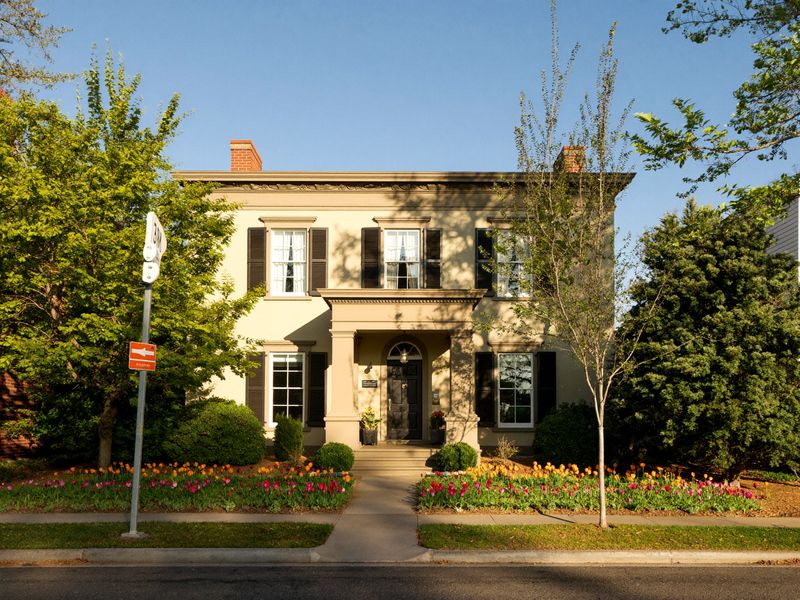
For Buyers
More room to negotiate than a year or two ago. Higher rates make the monthly payment the number to watch, so run it before you fall for a house.
 Seller basics
For Sellers
Homes still sell when they are priced right and show well. If a listing has had little interest after two weeks, the price or the condition is the message.
Common Questions
Straight answers
It depends on your specific situation: your timeline, finances, and what you're trying to accomplish. The market timing question is real, but it's rarely the most important variable. The better question is whether your situation is ready. Start with three questions: how long you plan to stay, what monthly payment works, and whether your savings cover the down payment plus closing costs.
No. The 20 percent rule is the biggest myth in home buying. Conventional loans can go as low as 3 percent down, FHA loans around 3.5 percent, and VA and USDA loans can mean zero down for those who qualify. Twenty percent mainly matters if you want to avoid private mortgage insurance.
Affordability is less about the price tag and more about the monthly payment, which includes principal, interest, taxes, and insurance. Lenders look at how that payment and your other debts compare to your income. A lender can give you a firm number, and a readiness workbook helps you sanity-check it against your real budget.
Overpricing at the start. A home priced above the market tends to sit, and a home that sits invites lowball offers and price drops that signal weakness. The most attention a listing ever gets is in its first week or two, so pricing it right out of the gate usually beats starting high and chasing the market down.
In Michigan, a home's taxable value is capped while one owner holds it, then it uncaps and resets when the home sells. That means your tax bill can be meaningfully higher than the current owner's on the same house. It is not a trick, it is how Michigan property tax works, and it is worth understanding before closing.
About 30 to 60 days for a financed purchase. The inspection, appraisal, loan approval, and title work all happen inside that window. Having your pay stubs, bank statements, and tax returns ready up front is the easiest way to keep it on schedule.
Residential single-family is the core, but I also work with commercial properties, vacant land, and investment acquisitions across West Michigan.
Buy, sell, invest, or land
Houses, rentals, commercial buildings, and vacant land across West Michigan, from the lakeshore to Grand Rapids.
 See how
Buying a home
Get pre-approved before you tour, budget for closing costs on top of the down payment, and expect the property taxes to change after you buy.
 See how
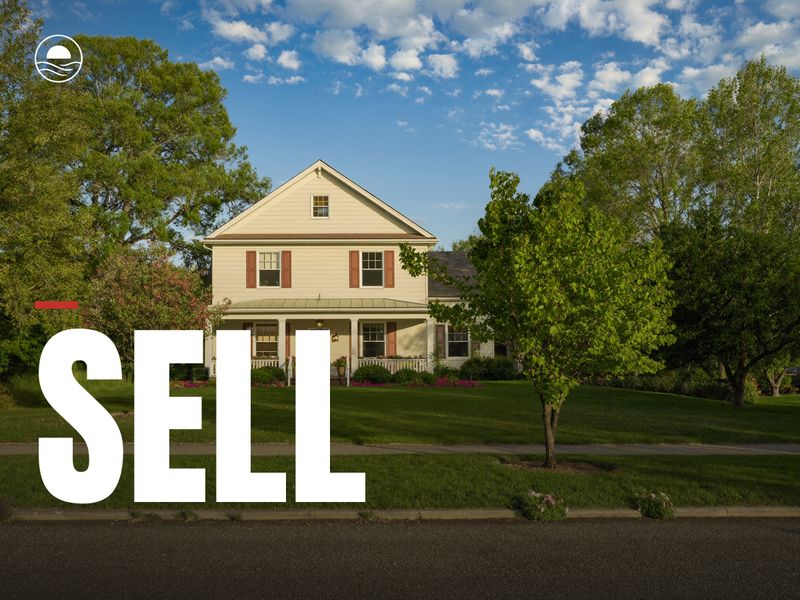
Selling a home
Price from what sold nearby in the last 90 days, fix only what buyers notice, and launch with good photos. The first two weeks matter most.
 Investor guide
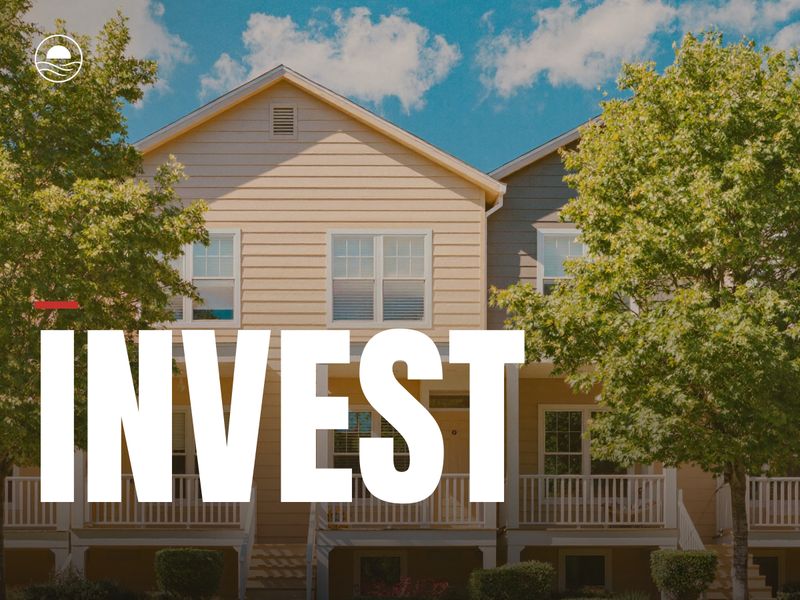
Rentals and investment property
Flips, rentals, and small multi-family. Run rent, taxes, insurance, vacancy, and repairs before you write the offer.
 What to check
Land and commercial
Land and commercial property sell to a smaller group of buyers, so they take longer than a house. Before you buy or price a parcel, check zoning, road access, wetlands, and utilities.
Start the conversation

Send a message
What clients said
 Dave
Dave Manley
Broker / Co-Owner, REALTOR® · Legacy Real Estate Partners
I have spent 11 years in real estate, and my first deal was a commercial building. Since then I have worked nearly every kind of transaction: first homes and forever homes, investment properties and flips, land, commercial buildings, inherited homes and estates, and homeowners in a hard spot who needed a way out.
Whatever you are walking into, I will tell you how it actually works, ask the questions you didn't know to ask, and help you make a plan before you sign anything.
I co-own Legacy Real Estate Partners in Norton Shores, where we keep building better ways to buy and sell properties: clearer numbers, faster answers, and tools that do the busywork so we can do the real work.
Read before you start
Free to read, no form.
 Read it
The West Michigan Home Buyer's Guide
Pre-approval to keys: the cash by loan type, Michigan's tax rules, the offer, inspection, appraisal, and closing.
 Read it
The West Michigan Home Seller's Guide
Pricing from recent sales, prep that pays, offers, closing costs, and a net sheet.
 Read it
First-Time Buyer Guide
What it costs, how the loan programs work, and the mistakes to skip on a first purchase.
 Read the blog
The Blog
Taxes, inspections, land, investing, and the West Michigan market, explained.
 See your options
The Home Protectors program
Help for homeowners who are behind on payments or facing a hard situation with their home.
You have more options than it feels like
Foreclosure in Michigan is a process with steps and deadlines, including a redemption period after a sale. Working something out with your lender, selling before things escalate, or a short sale can each be on the table. Almost every path is better the earlier you look at it.
Find your dates
The notices from your lender list the deadlines. Know how much time you actually have before you decide anything.
Call your lender
Ask about a repayment plan, a loan modification, or a temporary forbearance. Get any answer in writing.
Get the legal and money side right
A HUD-approved housing counselor or an attorney can tell you exactly where you stand and what each option does to your credit.
Know what a sale would net
If you have equity, selling can let you leave with money instead of a foreclosure on your record. A straight read on the number takes one conversation.
For Real Estate Professionals
Building a real estate career?
Legacy Real Estate Partners is a brokerage in Norton Shores. Here is what an agent gets when they join.
A marketing and website platform built for you, with monthly market numbers for your area.
In-house listing and transaction coordination, custom business planning, organic lead generation that is already running, help cleaning up and working your database, and mentorship.
Talk to us about your career
Tell us your license status and the best way to reach you.
Raise ReportSee what you could have made with us last year
Start with one question
Send an address, a price range, or the situation. You will get what closed nearby, what it would cost, and the first three steps.